In the autumn of 1945, Thai Nguyen joined the surging revolutionary movement and became one of the first localities in the country to seize power. During the resistance wars, this land continued to hold a special position in the Viet Bac resistance base, where the Party Central Committee, the Government, and President Ho Chi Minh made many important decisions. Eighty-one years after that historic autumn, the tradition lives on through aspirations for development, new projects, and innovative and creative thinking aimed at building an increasingly prosperous Thai Nguyen.
A large mass rally attended by the People of Thai Nguyen Province at the town stadium on the afternoon of August 20, 1945, and the establishment of Thai Nguyen Province's provisional revolutionary government with Comrade Le Trung Dinh as Chairman (Archive photo)
Where history was written through the people's support
In August 1945, when the opportunity to seize power arose, the revolutionary movement in Thai Nguyen grew rapidly. Cadres and revolutionary masses moved swiftly to prepare, assemble forces, and stand ready to seize the opportunity. On August 20, 1945, Thai Nguyen's armed forces and people coordinated with the Liberation Army to enter the town and surround Japanese military positions. A large rally was held at the town stadium that afternoon. Thai Nguyen Province's provisional revolutionary government was established with Comrade Le Trung Dinh as Chairman, marking the victory of the province's revolutionary seizure of power.
After independence was regained, Thai Nguyen embarked on a new historic mission. During the resistance war against the French colonialists, Dinh Hoa became the center of the Central Resistance Safety Zone. President Ho Chi Minh, the Party Central Committee, the Government, and many central agencies worked there and led the resistance. Cho Don ATK also occupied an important position in the Viet Bac Resistance Zone, serving as a base for President Ho Chi Minh and central leaders during the resistance years.
The Party Central Committee and President Ho Chi Minh approving the General Military Commission's operational plan for the spring of 1954 at Dinh Hoa ATK in December 1953 and deciding to launch the Dien Bien Phu Campaign (Archive photo)
Amid the mountains and forests of Viet Bac, decisions of great significance to the nation's destiny were made. At Dinh Hoa ATK in June 1948, President Ho Chi Minh wrote the Appeal for Patriotic Emulation, launching a broad movement that translated patriotism into concrete action in combat, production, and support for the resistance. In June 1950, he chaired a conference of the Party Central Committee's Standing Committee and decided to launch the 1950 Autumn-Winter Border Campaign. In particular, on December 6, 1953, the Politburo and the Party Central Executive Committee, led by President Ho Chi Minh, approved the General Military Commission's operational plan for the spring of 1954 and decided to launch the Dien Bien Phu Campaign. The campaign achieved a historic victory, creating a feat that "resounded across the five continents and shook the globe", and became a brilliant milestone marking the victorious conclusion of the Vietnamese people's resistance war against the French colonialists.
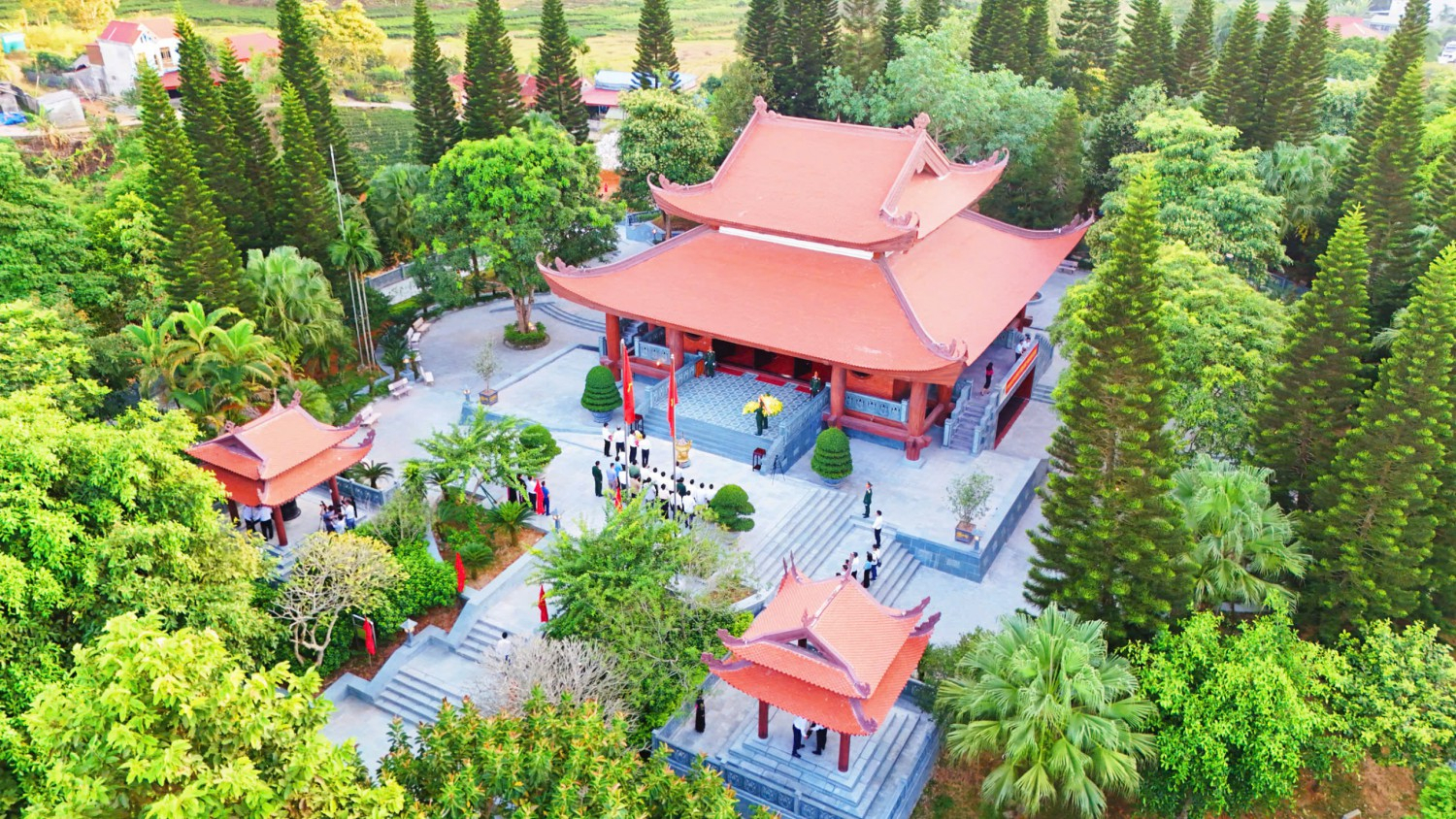
President Ho Chi Minh Memorial House at De Pass, Phu Dinh Commune, within the Dinh Hoa ATK Special National Historical Site
Today's ATK sites recall a time when every home, forest, and road was associated with the mission of protecting the revolution. People of various ethnic groups sheltered cadres, protected revolutionary agencies, and contributed labor and resources to the resistance. The enduring bond between the People and the Party, the authorities, and revolutionary forces created a strong defense posture, ensuring that the resistance leadership agencies could operate safely in the heart of Viet Bac.
Looking back on those historic periods, it is clear that Thai Nguyen's strength has always been forged through the unity of purpose of the People. Their strength contributed to the victory of the August Revolution, sustained the ATK during the resistance years, and turned many policies and decisions of the Party Central Committee into reality. The mission is different today, yet the spirit of solidarity, initiative, creativity, and collective dedication to the homeland remains as valuable as ever. It is also a source of strength for Thai Nguyen's Party organization, authorities, and People as they translate their determination for development into specific projects, initiatives, and actions, gradually expanding the province's development space, improving quality of life, and building an increasingly prosperous homeland.
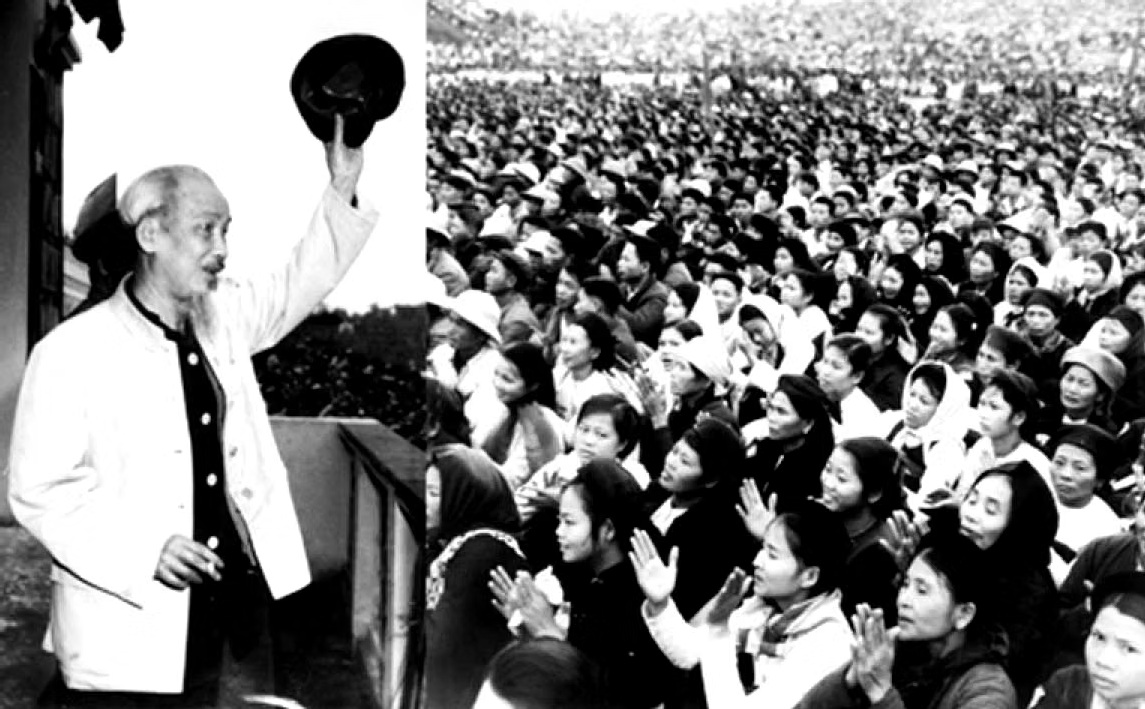
Uncle Ho's final visit to Thai Nguyen Province on January 1, 1964, when he spoke with and gave guidance to cadres and the People of the province's ethnic groups (Archive photo)
Unlocking new drivers of development
On January 1, 1964, President Ho Chi Minh made his final visit to Thai Nguyen. Addressing more than 45,000 cadres, workers, and members of the People in the province, he spoke of Thai Nguyen's favorable conditions, from its revolutionary traditions and resources to agriculture, handicrafts, and industry. He instructed: "All residents and cadres must strive to make Thai Nguyen one of the richest and most prosperous provinces in northern Vietnam".
Production activities at Vina Technology Joint Stock Company in Diem Thuy Industrial Park
President Ho Chi Minh offered that guidance as Thai Nguyen was emerging as a major industrial center with the Thai Nguyen Iron and Steel Complex. For more than 60 years, industrialization has visibly transformed the province's economic landscape. Industry has played an increasingly important role in growth; the industrial park network has gradually expanded; transport infrastructure has continued to receive investment; and urban areas have become increasingly modern, providing Thai Nguyen with more opportunities to expand production space and attract investment.
Comrade Vuong Quoc Tuan, Member of the Party Central Executive Committee, Deputy Secretary of the Provincial Party Committee, and Chairman of the Provincial People's Committee, joins delegates in the button-pressing ceremony to break ground on Thuong Dinh Industrial Park Infrastructure Construction and Business Investment Project
These new developments were clearly reflected in projects launched on the occasion of the 81st anniversary of the August Revolution. On August 19, 2026, Thai Nguyen held groundbreaking ceremonies for two large-scale projects with combined investment exceeding VND 2,900 billion. Thuong Dinh Industrial Park covers 128.2 ha and carries total investment of approximately VND 2,486 billion, while Residential Area No. 1 in Luong Phu Commune covers approximately 21.2 ha and carries total investment of approximately VND 437.3 billion. The two projects are tangible components of the province's socio-economic infrastructure development. Together with ongoing transport, industrial park, urban development, and public welfare projects, they are gradually giving Thai Nguyen a new appearance, creating more room to attract investment, expand production, and improve the People's quality of life.
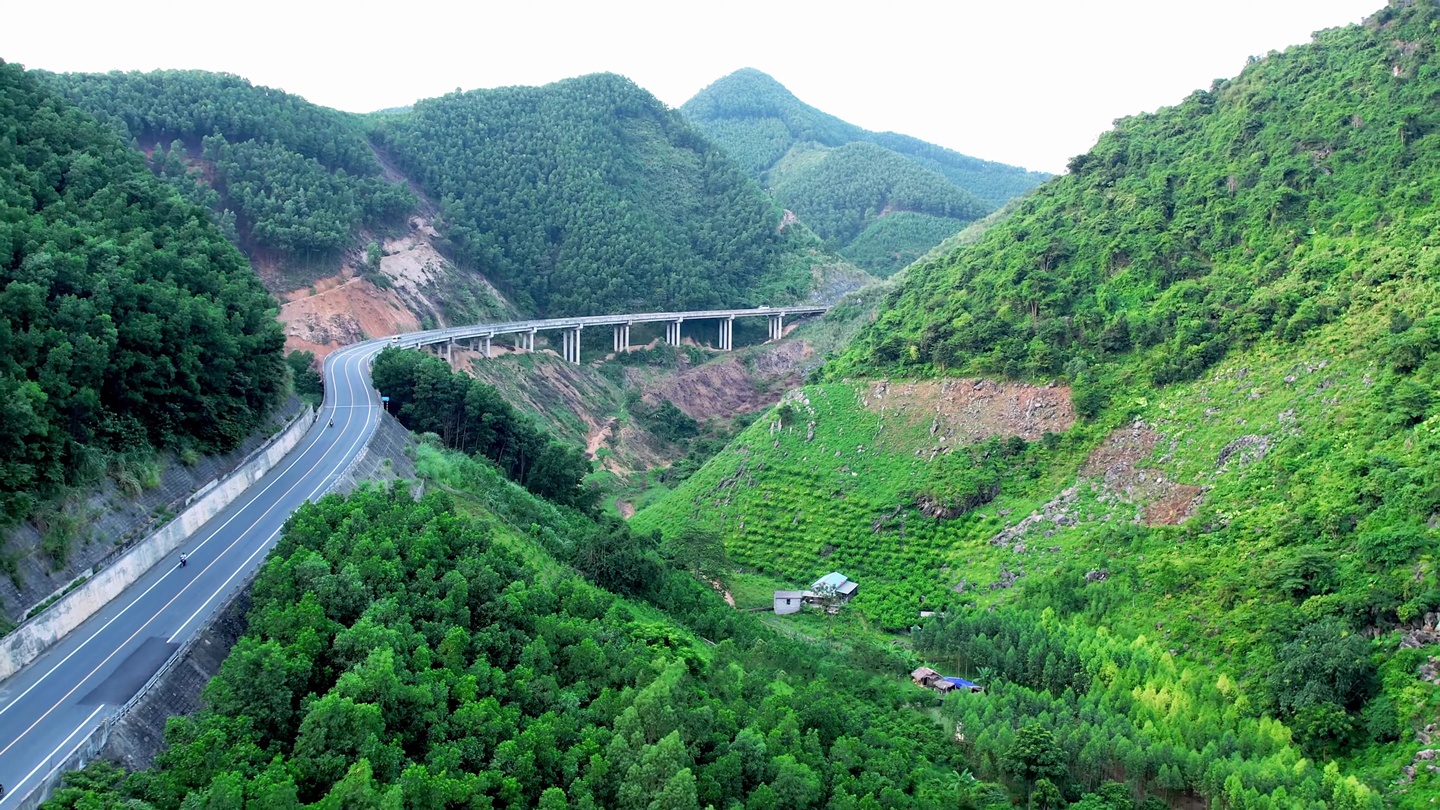
Thai Nguyen focusing resources in recent years on infrastructure development, particularly transport infrastructure, to drive socio-economic development (Photo: Thai Nguyen - Cho Moi Expressway benefiting from coordinated investment and reducing travel distances between parts of the province)
The province is prioritizing investment in transport to improve interregional, interprovincial, and intraprovincial connectivity, facilitate the movement of goods, link production areas with markets, and more effectively harness the potential of each locality. Industrial park infrastructure is also being expanded to create more production land and attract projects with modern technology and high added value that align with the province's orientation. Thai Nguyen is also continuing to reform its administrative methods, improve the investment environment, and strengthen competitiveness. The province consistently works alongside investors, with an emphasis on improving infrastructure and human resource quality and the effectiveness of government services. Administrative reform and digital transformation are being accelerated to reduce time and costs for residents and businesses, while obstacles involving procedures, land, site clearance, and infrastructure are being addressed. As a result, the investment environment is becoming increasingly favorable, strengthening business confidence and enabling the effective mobilization of development resources.
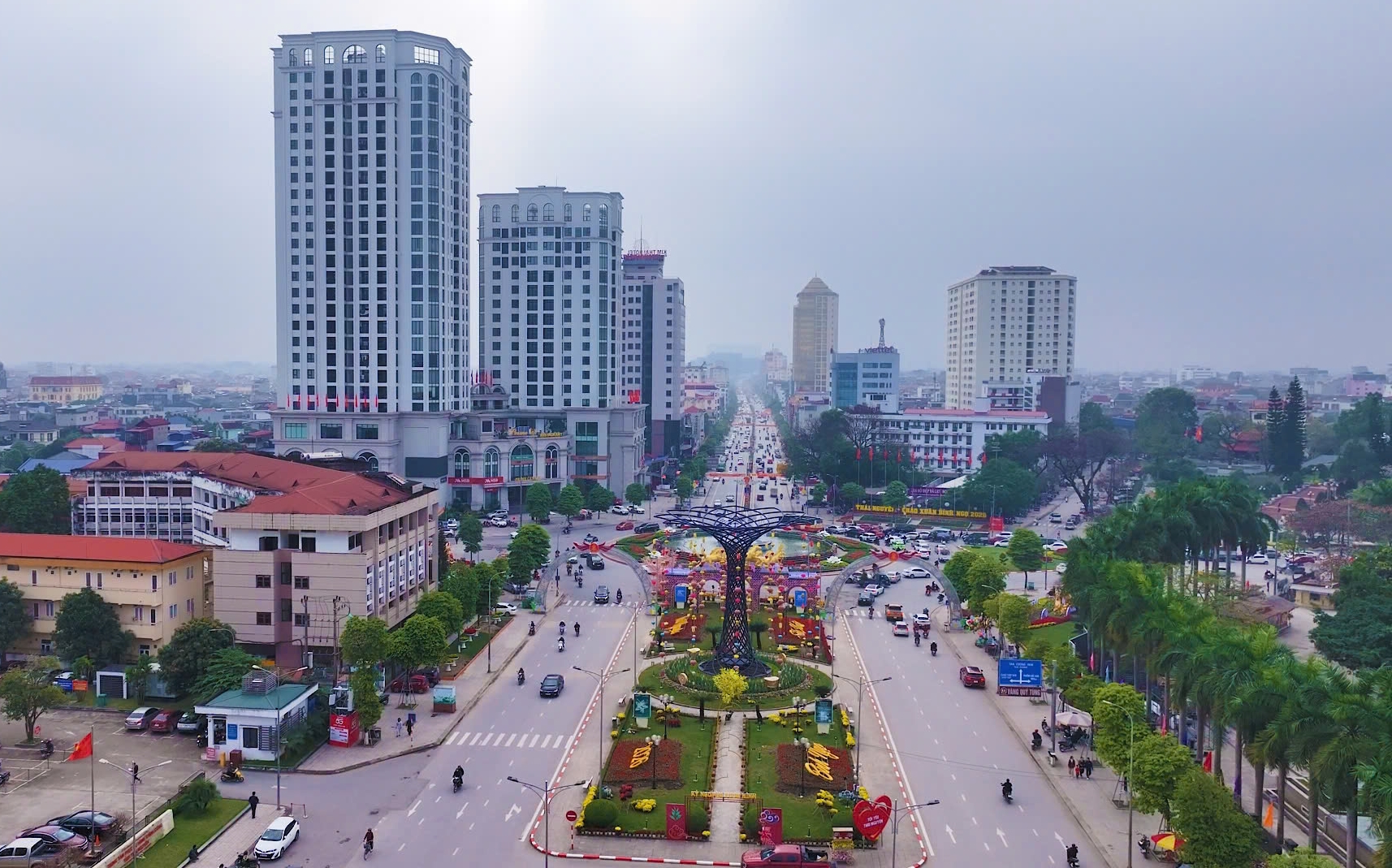
Thai Nguyen rising and growing alongside the nation
Across successive periods of history, solidarity, self-reliance, and the aspiration to rise have become enduring values of Thai Nguyen. Today, those values are being carried forward through innovative thinking, initiative, and determination in action, as reflected in each construction work, project, and development policy decision. In this way, Thai Nguyen is gradually fulfilling Uncle Ho's guidance by building an increasingly prosperous homeland, working to become a modern industrial center of the Northern Midlands and Mountainous Region, and making increasingly meaningful contributions to the nation's overall development.